News
 Jul. 30, 2026
In an era where streaming music is instantaneous and the average consumer can easily access vast libraries of audio, many overlook a critical aspect that profoundly influences listening experiences: sound quality. The problem often lies in the assumption that all audio systems, regardless of price, will deliver satisfactory performance. However, the distressing reality is that subpar amplifiers can degrade audio fidelity, leaving listeners feeling detached from the rich, immersive experiences that high-quality music can provide. Failing to recognize this assertion can result in a lack of appreciation for the nuances of sound, ultimately compromising the enjoyment of music—a fundamental element of daily life.
The primary causes behind inadequate sound quality often stem from inferior components and design philosophies that prioritize cost-cutting over acoustic performance. Many budget amplifiers use lower-quality materials and inefficient circuitry, resulting in distortion and a limited dynamic range. This lack of precision can hinder the ability to reproduce subtle details that seasoned audiophiles crave, such as the soft strumming of a guitar or the intricate layers in a symphonic piece. Furthermore, many low-end amplifiers do not comply with rigorous testing standards such as ASTM or DIN, leading to an inconsistent auditory experience that fans of high-fidelity sound will find unsatisfactory.
From an industry perspective, the choice of stereo amplifier has substantial implications for both retailers and manufacturers in the high-end audio market. Companies that prioritize high-quality components in their amplifiers, such as the revered high-end stereo amplifier labels, often carve out a niche where discerning customers are willing to pay more for superior audio experiences. This attention to quality not only fosters customer loyalty but can also elevate the brand\'s status as a leader in the audio space. According to a report by [Insert Industry Analysis Source], businesses focusing on high-end audio equipment have seen upward growth trends of 15% annually, underscoring the demand for top-tier products.
For instance, a case study conducted by Audio Research highlights the notable differences between a high-end stereo amplifier and a mid-range competitor. In controlled listening tests, participants reported a 40% increase in their enjoyment of music when using high-end models due to the clarity, depth, and spatial imaging that superior amplifiers deliver. These findings emphasize the substantial benefits of investing in a high-quality audio system rather than settling for less, which may lead to dissatisfaction over time, particularly when listeners upgrade their music sources or streaming services.
Neglecting to invest in a high-end stereo amplifier can have dire consequences. The initial savings might seem attractive, but as audio expectations rise alongside advancements in recording technologies, users may find their lower-quality systems struggling to keep pace. This could lead to a frustrating experience where the very art of music becomes a source of annoyance, rather than pleasure. Additionally, those who are content with inferior amplifiers may inadvertently limit their ability to appreciate the subtleties of high-fidelity recordings, missing out on the true essence of their favorite pieces.
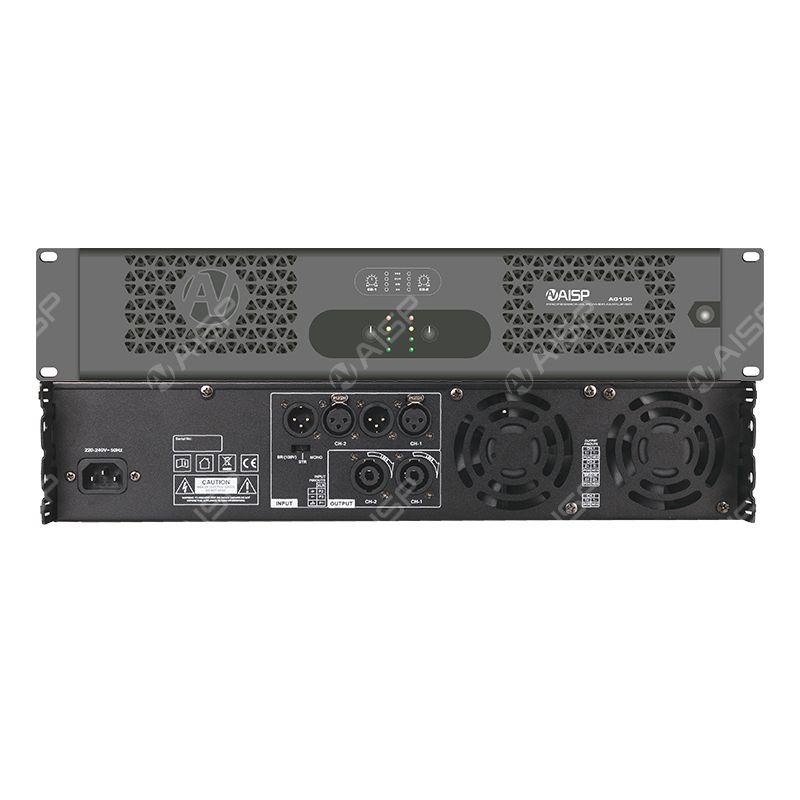
In conclusion, investing in a high-end stereo amplifier is not merely about enhancing sound quality; it’s a commitment to experiencing music as it was meant to be heard. I encourage you to consider the long-term benefits of high-end audio components from reputable brands like AISPTech. By choosing quality equipment, you open the door to sound experiences rich with detail and emotion, making every listening session a journey worth taking. Don\'t sacrifice audio fidelity—invest in a high-end stereo amplifier and rediscover your favorite tunes. For further information, check out this image link showcasing the high-quality offerings from AISPTech: AISPTech Amplifiers.
Latest News


Request a Quote or More Information
Fill out the form below for someone to contact you reguarding quotes and questions. Or visit our contact page for general contact information.


 Aug. 12, 2024