News
 May. 14, 2026
In the face of an emergency, clear communication can mean the difference between chaos and safety. I’ve seen firsthand how the EN54 6 Zones Voice Evacuation System transforms safety protocols in various environments, ensuring individuals can evacuate efficiently during crises. In this article, I will guide you through practical steps to implement an effective voice evacuation system, addressing the specific challenges businesses face while enhancing safety measures.
To truly elevate emergency safety, adopting an EN54-compliant voice evacuation system is essential. These systems facilitate clear, intelligible announcements that can swiftly guide occupants to safety. The implementation process may seem daunting, but by following these straightforward steps, I can help you achieve enhanced safety in your organization.
Begin by assessing the specific needs of your premises. Are you operating in a high-traffic area like a shopping mall, or perhaps managing a corporate office? Each environment has unique safety challenges.
Once you’ve gathered data on your requirements, select equipment that meets the EN54 standards. Components must include voice alarm control units and amplification systems that conform to EN54 requirements.
Designing an effective layout is crucial for ensuring that every area achieves optimal coverage. Use the following guidelines:
With the layout in hand, initiate installation by a certified technician familiar with EN54 compliance.
Implement a regular maintenance schedule to monitor system functionality. Regular checks not only reaffirm compliance but also reassure staff and customers of their safety.
Implementing such an emergency system can indeed present challenges, such as budget constraints or resistance from staff accustomed to existing protocols. Overcome these hurdles by:
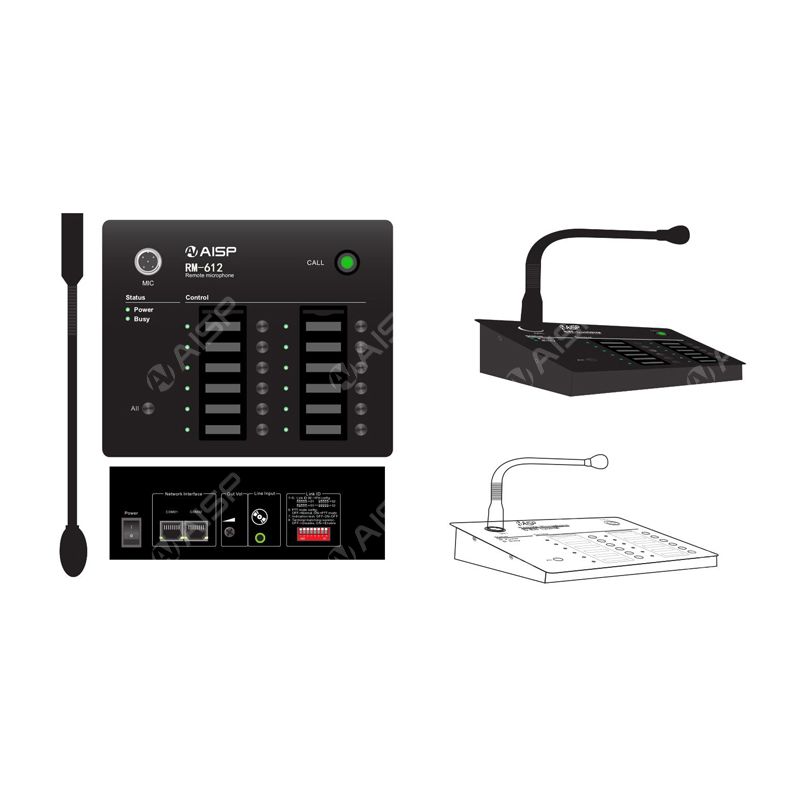
Utilizing resources such as AISP Tech for expert guidance or compliance documentation can further streamline your efforts. Here’s a helpful diagram that illustrates the setup of an EN54 6 Zones Voice Evacuation System.
By leveraging the EN54 6 Zones Voice Evacuation System, you enhance the safety of your premises significantly. Through understanding your requirements, selecting the right equipment, designing an effective layout, and maintaining the system, you create a robust emergency response framework. I encourage you to start the implementation process today—prioritize safety and ensure your establishment is ready to handle emergencies effectively. Remember, proactive measures lead to a safer and more secure environment for everyone involved. Act now, and take control of your emergency safety measures!
Latest News


Request a Quote or More Information
Fill out the form below for someone to contact you reguarding quotes and questions. Or visit our contact page for general contact information.


 Aug. 12, 2024