News

News

Home / About Us / News / High-end Stereo Amplifier Guide: Features, Power, and Performance

High-end Stereo Amplifier Guide: Features, Power, and Performance

Jul. 02, 2026
Share:

High-end Stereo Amplifier Guide: Features, Power, and Performance

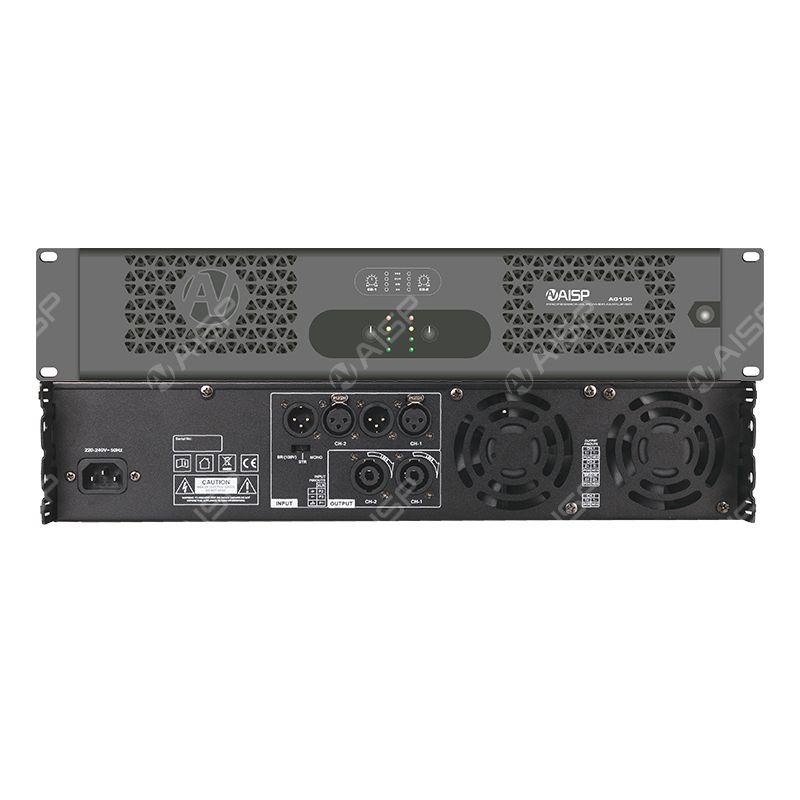
The high-end stereo amplifier is an essential component for any audiophile seeking to achieve superior sound quality in their music listening experience. This guide will explore the critical features, power ratings, and overall performance metrics that define high-end stereo amplifiers, helping you make an informed purchasing decision. Whether you are upgrading your current system or diving into audiophilia, understanding these elements is crucial for optimal audio performance.

1. Understanding High-end Stereo Amplifiers

  • Definition and Purpose
    • What is a high-end stereo amplifier?
    • How it enhances audio quality compared to standard amplifiers.
  • Target Audience
    • Who benefits from high-end stereo amplifiers?
    • Typical use cases for audiophiles, music producers, and home theater enthusiasts.

2. Key Features to Look For

  • Power Output
    • Understanding watts per channel
    • Determining the ideal power output for your space
  • Impedance Compatibility
    • Importance of matching impedance with speakers
    • How impedance affects performance and sound quality
  • Distortion Rate
    • What is Total Harmonic Distortion (THD)?
    • Understanding acceptable distortion levels for audiophiles
  • Connectivity Options
    • Types of inputs (RCA, XLR, USB, etc.)
    • How connectivity influences versatility and performance

3. Performance Metrics and Testing

  • Frequency Response
    • What does frequency response indicate?
    • Optimal range for various music genres.
  • Signal-to-Noise Ratio (SNR)
    • Understanding SNR and its importance in sound fidelity
    • Minimum SNR levels for an ideal listening experience.
  • Dynamic Range
    • What is dynamic range, and why is it vital?
    • How to measure dynamic range in amplifiers.

4. Comparing Different High-end Amplifiers

  • Tube vs. Solid-State Amplifiers
    • Differences in sound characteristics
    • Pros and cons of each type
  • Brand Comparisons
    • Overview of leading high-end amplifier brands
    • How to choose the right one based on needs and budget

5. Maintenance and Care for High-end Stereo Amplifiers

  • Periodic Maintenance
    • How to clean and ventilate your amplifier
    • Importance of regular checks for optimal performance
  • Common Issues and Troubleshooting
    • Identifying symptoms of amplifier problems
    • Basic troubleshooting steps you can take

6. Future Trends in High-end Audio Equipment

  • Emerging Technologies
    • The role of digital amplifiers and streaming technology
    • Impact of AI and machine learning on audio quality
  • Sustainable Audio Practices
    • Trends towards eco-friendly design and production
    • How to select sustainable options in high-end audio equipment

Conclusion

Investing in a high-end stereo amplifier not only enhances sound quality but also elevates your entire listening experience. By understanding the essential features, power ratings, and performance metrics discussed in this guide, you can confidently choose an amplifier that suits your audio needs. Regular maintenance and awareness of future trends will help you make the most of your investment.

For more information, visit AISP Technology, where you can explore additional insights and tips on selecting the perfect audio equipment for your setup.

Latest News

Request a Quote or More Information

Request a Quote or More Information

Fill out the form below for someone to contact you reguarding quotes and questions. Or visit our contact page for general contact information.